

Applications, interviews, and awkward salary conversations – oh my! Just the thought sends a chill down the spine. Let’s explore 4 things you can do to make your job search less spooky and even… dare we say, fun.
Avoid the Resume “Black Hole”

The worst part of job searching in the 21st century is the silence. You spend hours tailoring your resume to each job and filling out every field in the application (even though you’ve already uploaded your resume… so odd), only for it to vanish into an automated applicant tracking system without a trace.
Instead of firing off dozens of generic applications into the dark, do this instead:
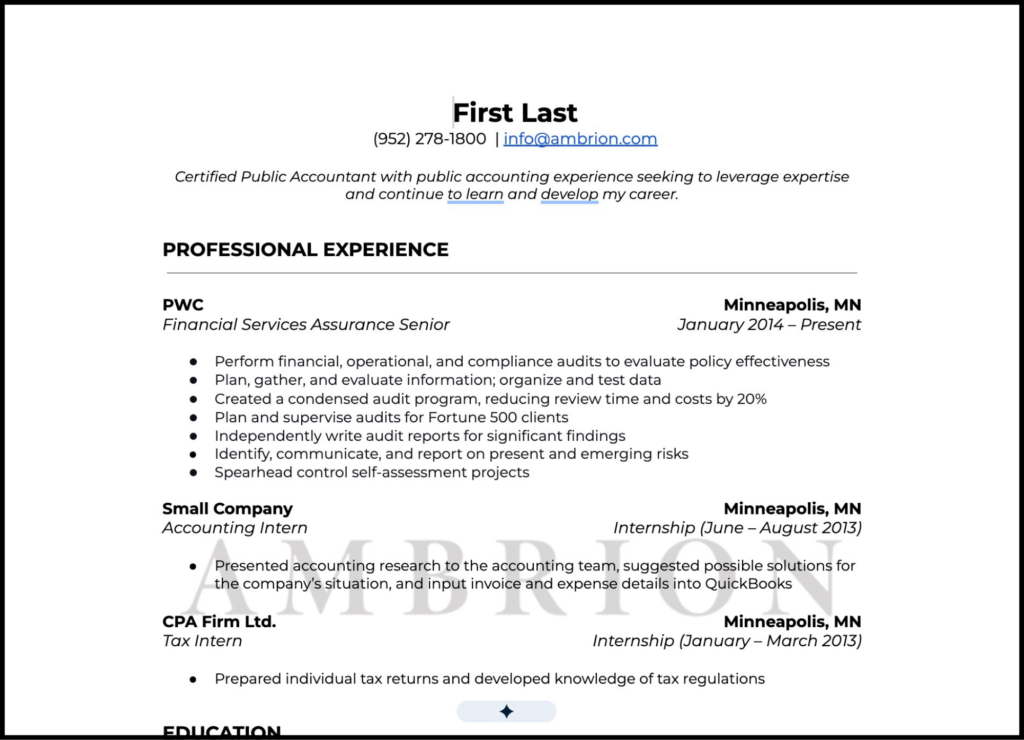
Make Your Resume Easy To Read
Keep your layout simple and use standard headings, bullet points, and easy-to-read fonts (Arial, Calibri, and Times New Roman are good choices). Avoid complex graphics or columns that confuse the AI software.
Here’s an example:
Reflect the Job Posting
If your experience genuinely matches what the employer is seeking, make sure your resume reflects the words/terminology used in the job description so automated filters spot it immediately. But don’t overdo it! AI software will flag keyword overuse, and more importantly, you want your resume to sound like you. Aim for 10 well-chosen keywords tailored from the job description for a standard 1-2 page resume.
Bypass the Black Hole
When a recruiter is engaged with a company on a search, they can often put your resume in front of the hiring team and provide context about your experience that a resume alone can’t do. The connections recruiters make with the hiring team mean they can advocate for you.
Take the Panic out of the Prep Work
Walking into an interview panel and getting hit with curveball questions can make anyone freeze up. Standard advice like “just practice in the mirror” rarely helps when you are put on the spot in an interview.
To take the panic out of interview prep:
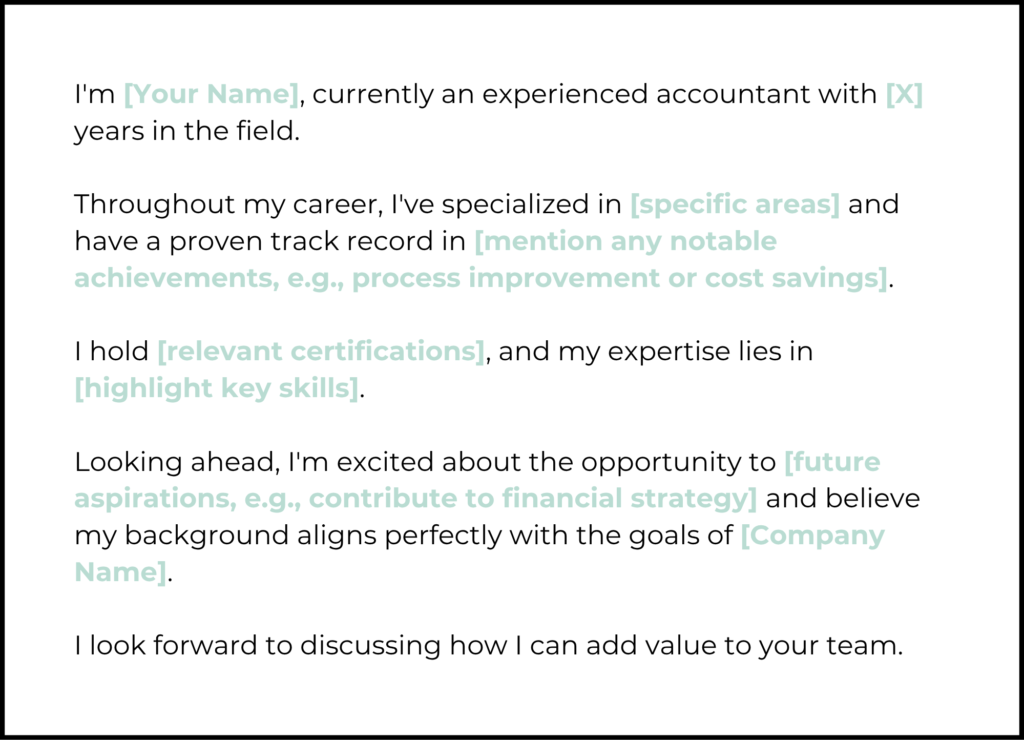
Prepare a 60-Second Hook
Perfect your answer to “Tell me about yourself” so you start every interview grounded, confident, and on your own terms.
Here’s an example:
Use the STAR Method
The STAR method is a structured framework to help you answer behavioral and situational interview questions (e.g., “tell me about a time when ________”). It’s made up of four parts: Situation, Task, Action, Result.
- Situation – Set the scene by describing the situation and giving the details
- Task – Describe your responsibility in the situation
- Action – Explain in detail the steps you took to address the situation
- Result – Share the POSITIVE outcomes your actions achieved
Having 4 or 5 flexible stories ready allows you to answer almost any behavioral or situational question during the interview smoothly. Remember to practice STAR prior to your interview!
Have Questions Ready to Ask
Leaving a bad job is hard enough; ending up in an even more toxic workplace with a micromanaging boss is a nightmare. To spot any potential hidden skeletons, turn the interview into a two-way evaluation. For example, instead of asking “How is the culture?”, ask “How does the team handle mistakes when something goes wrong?”
Demystify the Salary Conversation
Nothing triggers candidate anxiety faster than the inevitable question: “What are your salary expectations?” Give a number too low, and you leave money on the table; give a number too high, and you worry you price yourself right out of consideration.
The best way to figure out your comp range is to ask an expert. What you bring to the table at your current company may have different market value elsewhere. A reputable recruiter can shed light on these nuances and help you assess your worth more accurately.
Salary Guides can also be helpful. Just keep in mind, the ranges in these guides are averages. Your actual salary will vary based on factors such as company size and market conditions.
Don’t Job Search Alone
Navigating a career move in isolation is stressful and exhausting. Leverage your network, mentors, and recruiters to help you.
Reach out to your personal connections, like former colleagues or industry contacts, and let them know you’re open to new opportunities. A warm word-of-mouth referral can be an easy way to get an interview. You should also lean on your mentors for perspective if you feel stuck in your job search, need advice on career direction, or want a sounding board. Lastly, partnering with a recruiter is super beneficial. They are your advocate, can share unposted opportunities, and help coach you for interviews.
The bottom line is you shouldn’t job search alone. Tap your people to support you.
Related Resources
- Complete Interview Resource Guide
- How to Update Your Resume [5 Tips + Examples]
- Managing the Emotions of Career Change